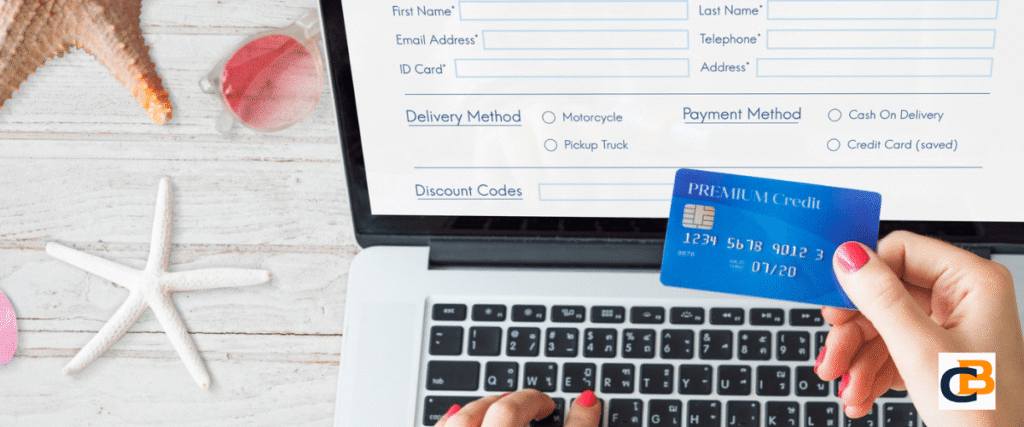
A Customer Billing System is a structured digital solution that helps businesses manage the entire billing lifecycle in a reliable and organized way. From creating invoices to tracking payments and maintaining customer records, it replaces manual processes with automation, accuracy, and real-time visibility. Modern businesses rely on billing systems not just for payments, but also for financial control, customer trust, and scalable growth.
What Is a Customer Billing System?
A customer billing system is software designed to manage how, when, and how much a customer is billed. It handles invoice generation, payment collection, adjustments, credits, taxes, and reporting from a single platform.
Instead of maintaining registers, spreadsheets, or disconnected tools, businesses use one centralized system that ensures billing data is consistent, auditable, and always up to date. This reduces dependency on manual work, lowers operational risk, and improves financial accuracy across sales, accounts, and operations.
Key Features of a Customer Billing System
Invoice Creation & Management
The system allows businesses to create standardized, professional invoices with automatic calculations for quantities, prices, taxes, discounts, and totals. Invoices can be generated instantly, reused for repeat customers, or scheduled for recurring billing, ensuring consistency and eliminating calculation errors.
Centralized Customer Database
All customer-related information such as contact details, billing preferences, invoice history, payment behavior, and outstanding balances is stored in one place. This helps resolve billing queries faster and maintain long-term customer relationships without switching between tools.
Automated Payment Reminders & Follow-Ups
Billing systems automatically send reminders before due dates, on due dates, and after invoices become overdue. This reduces late payments, improves cash flow, and removes the need for manual follow-ups while maintaining professional communication.
Multiple Payment Options
Customers can pay using options such as UPI, cards, net banking, wallets, or bank transfers. Multiple payment methods improve convenience, reduce friction, and increase the chances of timely payments.
Real-Time Payment Tracking
Every payment is tracked in real time, showing whether an invoice is paid, partially paid, pending, or overdue. This visibility helps businesses plan cash flow, forecast revenue, and make informed decisions.
Tax Management & Compliance
The system supports tax calculations like GST or VAT and automatically generates compliant invoices with proper tax breakup and audit trails. This simplifies compliance, reduces legal risk, and makes tax filing easier.
Reports & Financial Analytics
Detailed reports provide insights into revenue trends, outstanding invoices, customer payment behavior, and overall financial performance. These insights help businesses improve pricing strategies and make data-driven decisions.
Benefits of Using a Customer Billing System
Time Efficiency
Automation significantly reduces the time spent on invoice creation, payment tracking, and reconciliation, allowing teams to focus on core business activities.
Accuracy & Consistency
Automated calculations and standardized invoice formats minimize human errors, billing disputes, and rework.
Improved Cash Flow
Faster invoicing, automated reminders, and multiple payment options result in quicker payments and healthier cash flow.
Better Customer Experience
Clear invoices, timely communication, and easy payment methods improve transparency and build customer trust.
Scalability & Control
As businesses grow, billing systems handle increasing customers, invoices, and transactions without adding operational complexity.
How a Customer Billing System Simplifies Payments
A customer billing system connects invoicing, reminders, and payment tracking into a single workflow. Invoices are generated instantly, sent digitally, and include easy payment options. Once payment is received, records are updated automatically and reflected in reports.
This end-to-end automation removes delays, reduces confusion, and ensures complete clarity for both businesses and customers.
Who Should Use a Customer Billing System?
Customer billing systems are suitable for:
- Small and medium businesses managing regular invoices
- Service-based companies billing clients monthly or per project
- Retailers and wholesalers handling high transaction volumes
- Freelancers and consultants requiring professional invoicing
- Subscription-based businesses with recurring payments
Any organization that values financial accuracy, speed, and transparency can benefit from adopting a billing system.
Customer Billing System vs Manual Billing
| Manual Billing | Customer Billing System |
|---|---|
| High manual effort | Automated workflows |
| Higher risk of errors | Accurate calculations |
| No real-time visibility | Live payment tracking |
| Manual follow-ups | Automated reminders |
| Difficult to scale | Easily scalable |
A Customer Billing System is a critical foundation for efficient business operations. It simplifies payments, strengthens financial control, and improves customer trust by replacing outdated manual processes with automation and clarity. For businesses aiming to grow sustainably while maintaining accuracy and professionalism, implementing a customer billing system is a smart and necessary step.
FAQs
What is a Customer Billing System?
A Customer Billing System is a comprehensive software solution that manages the entire billing cycle of a business. It covers customer data management, invoice creation, tax calculation, payment collection, adjustments, credits, and reporting. By centralizing all billing activities, it ensures consistency, transparency, and accurate financial records, which are essential for audits, compliance, and long-term business planning.
How does a Customer Billing System work?
The system records customer details and billing rules, generates invoices automatically based on products, services, or subscriptions, and sends them digitally. It tracks payments in real time, updates outstanding balances, and triggers reminders for due or overdue invoices. Once payment is received, the system automatically reconciles the transaction and updates reports without manual intervention.
Why is a Customer Billing System important for businesses?
It removes dependency on manual processes, reduces errors, and improves financial discipline. Businesses gain better control over receivables, faster payment cycles, and accurate reporting. A billing system also improves internal coordination between sales, operations, and accounts teams, ensuring everyone works with the same financial data.
Who should use a Customer Billing System?
Any business that invoices customers regularly can benefit from it. This includes small businesses, medium enterprises, service providers, consultants, freelancers, retailers, wholesalers, and subscription-based companies. Even growing startups use billing systems early to build scalable and professional financial processes.
What are the key features of a Customer Billing System?
Core features include automated invoice generation, centralized customer database, payment tracking, automated reminders, tax management, recurring billing, multiple payment options, and detailed financial reports. Advanced systems may also offer role-based access, integrations with accounting software, and audit trails.
Can a Customer Billing System handle recurring billing?
Yes, recurring billing is one of the most valuable features. The system can automatically generate invoices at predefined intervals such as monthly or yearly, apply fixed or variable charges, and manage renewals. This is especially useful for subscription-based businesses and service contracts.
How does a Customer Billing System improve cash flow?
By generating invoices instantly, offering convenient payment options, and sending timely reminders, businesses receive payments faster. Real-time visibility into outstanding invoices allows proactive follow-ups, reducing delays and bad debts, which directly improves cash flow stability.
Is a Customer Billing System suitable for small businesses?
Absolutely. Small businesses benefit the most because it reduces administrative workload and eliminates the need for complex accounting setups. With automation, even a small team can manage professional billing, track payments accurately, and maintain financial clarity.
Does a Customer Billing System support tax compliance?
Yes, it automatically calculates applicable taxes such as GST or VAT and generates compliant invoices with proper tax breakup. It also maintains historical records, invoice numbering, and audit trails, which simplify tax filing and reduce compliance risks.
How does a Customer Billing System reduce billing errors?
Manual calculations, duplicate entries, and missed invoices are common error sources. A billing system uses predefined rules and automation to ensure consistent calculations, accurate totals, and standardized invoice formats, significantly reducing disputes and rework.
Can customers pay online through a Customer Billing System?
Yes, customers can pay using online methods like UPI, cards, net banking, wallets, or bank transfers. Integrated payment options reduce friction, make payments convenient, and encourage timely settlements.
Is customer data secure in a Billing System?
Modern billing systems implement strong security measures such as role-based access, encryption, secure servers, and regular backups. These controls protect sensitive customer and financial data from unauthorized access or data loss.
Can a Customer Billing System generate financial reports?
Yes, it provides detailed reports on revenue, outstanding amounts, payment trends, customer behavior, and tax summaries. These insights help business owners monitor performance, identify risks, and plan future growth strategies.
How is a Customer Billing System better than manual billing?
Manual billing is time-consuming, error-prone, and difficult to scale. A billing system automates repetitive tasks, provides real-time visibility, and ensures consistency, making it far more efficient and reliable for growing businesses.
Can a Customer Billing System scale as my business grows?
Yes, billing systems are designed to handle increasing volumes of customers, invoices, and transactions without additional complexity. As your business expands, the system continues to perform efficiently without requiring major process changes.
What is the cost of implementing a Customer Billing System?
Costs depend on features and scale, but most systems are affordable and deliver strong return on investment. Savings come from reduced manual effort, fewer errors, faster payments, and better financial control.
Does a Customer Billing System integrate with accounting software?
Many systems integrate with accounting, ERP, or CRM tools. This ensures seamless data flow, avoids duplicate entries, and maintains consistency across financial and operational systems.
How does a Customer Billing System improve customer experience?
Customers receive clear, professional invoices, timely reminders, and easy payment options. Transparency in billing builds trust, reduces confusion, and strengthens long-term customer relationships.
Is training required to use a Customer Billing System?
Most modern billing systems are designed to be user-friendly. Basic training or onboarding is usually sufficient, allowing staff to quickly adapt without technical expertise.
What should I look for when choosing a Customer Billing System?
Focus on ease of use, automation capabilities, payment options, tax compliance, reporting quality, security, scalability, and customer support. Choosing the right system ensures long-term efficiency and reliability.
A Customer Billing System is a vital foundation for efficient and sustainable business operations. By automating invoicing, payment tracking, reminders, and reporting, it removes the complexity and errors associated with manual billing. Businesses gain real-time financial visibility, better control over receivables, and improved cash flow, all while reducing administrative workload. Beyond operational efficiency, a billing system enhances customer trust through clear invoices, timely communication, and convenient payment options. It supports compliance, scales easily as the business grows, and provides data-driven insights that help owners make smarter financial decisions. In today’s competitive environment, adopting a Customer Billing System is not just a technology upgrade – it’s a strategic move that improves accuracy, professionalism, and long-term business growth.